Signa’s Response – Silence, Spin, or Strategy?
9 November 2025
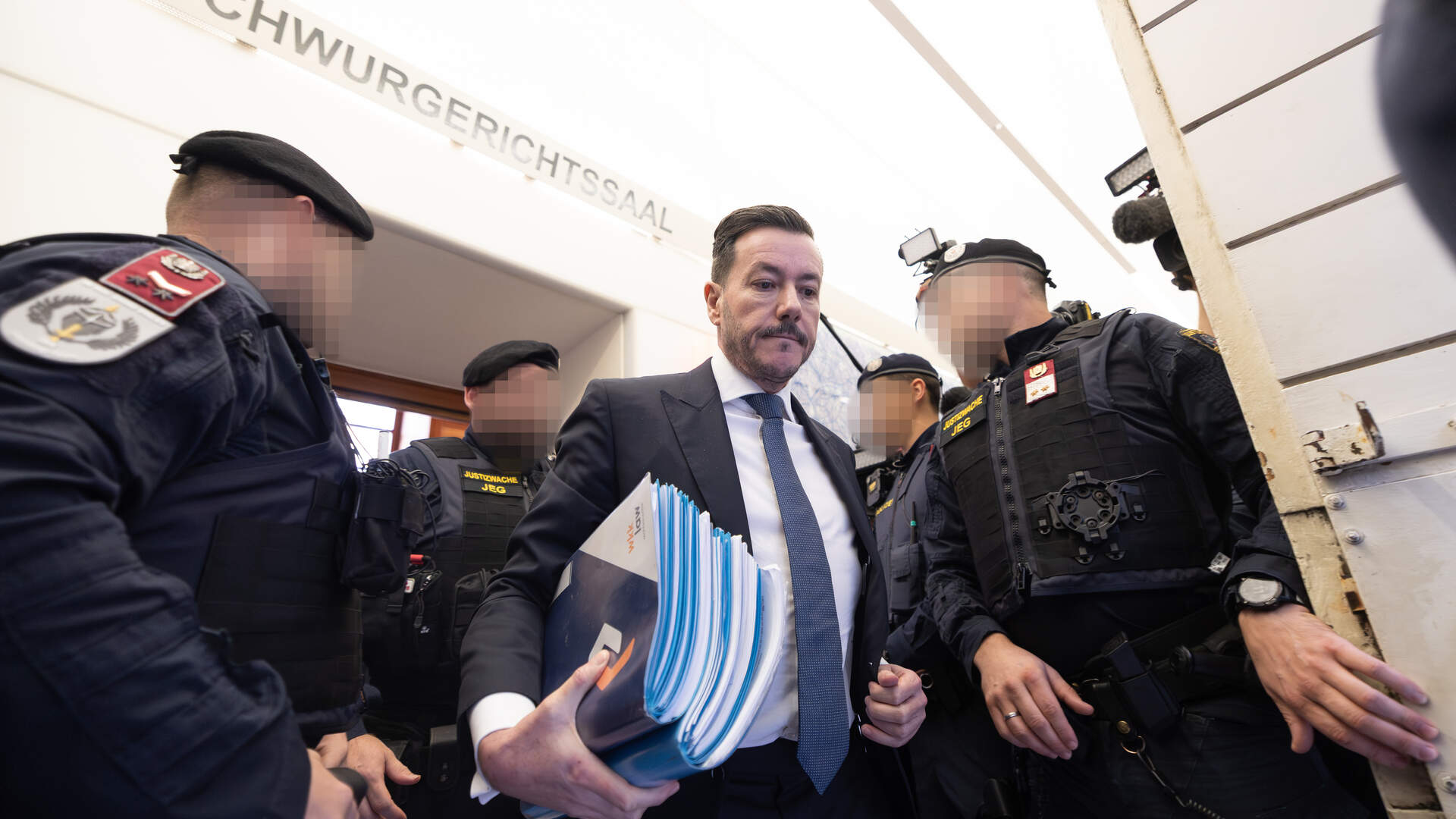
When Signa’s empire began to crumble, the world wanted answers. Investors, employees, and the public all asked the same thing: What went wrong? But instead of clear explanations, what followed from Signa and its founder René Benko was a mix of delayed statements, technical language, and, at times, silence. In this post, I’ll go through what Signa said (and didn’t say) as the crisis unfolded, and how their communication reflected deeper issues in corporate responsibility.
The Initial Reactions: Controlling the Narrative
When Signa Holding first filed for insolvency in late 2023, the company released a short statement describing the move as a “necessary step to ensure a structured and orderly restructuring process” (Reuters, 2023). It framed the event not as a failure but as a transition. Signa’s leadership emphasised that the group was facing “temporary liquidity challenges” caused by the “difficult macroeconomic environment,” particularly rising interest rates and inflation (Financial Times, 2023).
On the surface, that sounds reasonable, since the property market was tightening across Europe. But the tone of these statements was defensive. The message implied that Signa was simply a victim of external conditions rather than internal mismanagement or over-leverage.
Meanwhile, René Benko himself remained notably quiet. For months, he avoided major interviews, appearing only through legal representatives or company spokespeople. The lack of a personal statement fuelled public frustration, especially since Signa’s image had always revolved around his persona as a visionary leader (Bloomberg, 2024).
The Legal Defence and Public Framing
By mid-2024, as investigations intensified and court cases began, Signa’s representatives continued to stress that all actions taken were “within the bounds of the law” and that the company had “fully cooperated with authorities” (AP News, 2024). Lawyers for Benko argued that the group’s collapse was “not the result of fraud but of unforeseeable economic headwinds.”
In other words, Signa leaned heavily on the unpredictability argument, claiming that the economic downturn, not internal ethics, caused the collapse. This framing might have worked for a short-term reputational crisis, but not for a years-long empire built on aggressive borrowing and opaque financial structures.
Many observers felt this strategy came off as tone-deaf. Thousands of employees and contractors across Germany, Austria, and Switzerland were left uncertain about their jobs, while creditors faced billions in losses. Yet Signa’s communications focused on technical language rather than empathy or accountability.
My Perspective: The Ethics of Avoidance
From an ethical standpoint, Signa’s crisis communication shows a failure to embrace transparency. According to duty-based ethics (deontological theory), leaders have a moral responsibility to tell the truth and accept accountability, not only because it’s good for business but because it’s simply the right thing to do. Instead, Signa’s leadership avoided emotional honesty and relied on carefully worded PR statements.
A utilitarian approach, which focuses on doing what produces the most good for the greatest number, would have encouraged more open dialogue with investors, governments, and employees. Honest communication might have restored at least some trust and allowed other businesses to prepare for the ripple effects.
In reality, Signa’s communications strategy achieved the opposite. It deepened public mistrust. When a company that once stood for ambition and luxury goes silent during its collapse, people start to assume the worst.
A Missed Opportunity for Leadership
If Signa had taken a proactive approach through press conferences, open letters, or employee briefings, it could have reframed the narrative. Companies like Lufthansa and Volkswagen have recovered from crises precisely because they acknowledged mistakes publicly and outlined clear plans for reform. Signa, however, chose legal precision over moral clarity.
René Benko’s personal absence also mattered. The same charisma that built the empire could have been used to repair its image. Instead, his silence became symbolic, a reminder that corporate power often fades when accountability is most needed.
References
AP News. (2024, June 3). Austrian prosecutors probe Signa empire collapse amid fraud allegations. https://apnews.com/article/austria-signa-group-collapse-investigation-2024-06-03
Bloomberg. (2024, February 10). How Europe’s property king lost his empire. https://www.bloomberg.com/news/articles/2024-02-10/rene-benko-s-collapse-of-signa-explained
Financial Times. (2023, November 29). Signa files for insolvency as property empire faces mounting debt. https://www.ft.com/content/b2c00e24-7f2e-4ee2-99b2-f1d9f90a7499
Reuters. (2023, November 29). Austria’s Signa files for insolvency amid real estate turmoil. https://www.reuters.com/markets/deals/signa-files-insolvency-2023-11-29/
Hey, I really liked how you analyzed the communications strategy of Signa when it failed. It was an excellent analysis that was well-documented, understandable, and insightful. The way you showed how their silence and overly technical language actually made the situation worse was especially strong. I also liked the way in which you related this to such ethical philosophies as deontology and utilitarianism. This gave the post an added dimension and demonstrated that it was not a PR problem. I liked your argument about the legal accuracy being more than moral clarity, as it is such a good description of how Signa missed an important chance to regain trust. Examples of Lufthansa and Volkswagen were excellent comparisons to demonstrate how transparency can turn the situation around. In general, it was an insightful and well-crafted post that actually offered a lot of reasons why honesty and accountability are so significant in leadership.
ReplyDeleteThank you so much for your thoughtful comment, I really appreciate it. I am glad you connected with the part about ethics because that was something I really wanted to highlight, that Signa’s issue went beyond bad PR and into a deeper question of moral responsibility. I agree with you that their focus on legal precision rather than moral clarity was one of the biggest missed opportunities to rebuild trust. It is interesting to compare that to companies like Lufthansa or Volkswagen, which managed to recover by being transparent and taking accountability. Your point about honesty and accountability in leadership is exactly what I hoped readers would take away from this case. Thank you again for your response to the post!
DeleteSigna’s handling of its collapse reads like a masterclass in how not to communicate a crisis. By hiding behind legal jargon and vague statements, the company turned what could have been a moment to demonstrate accountability into a lesson in lost trust. The silence from René Benko, once the charismatic face of the empire, only amplified the sense that ambition had outweighed ethics. Do you think that if Benko had stepped forward with honesty and empathy, could Signa have salvaged some of its reputation, or was the empire already too built on fragile foundations to recover?
ReplyDeleteThat is a really good question and I think it touches on the heart of the whole issue. In my opinion, if René Benko had come forward early with honesty and empathy, it could have softened the public reaction and perhaps preserved at least part of Signa’s reputation. People tend to forgive mistakes when leaders take real responsibility and communicate openly. However, I also think that Signa’s problems ran much deeper than its communication. The company’s structure and financial strategies were already too fragile, and even the best PR response might not have saved it completely. Still, an open and transparent approach could have made the downfall less damaging to its legacy and to the trust people had in Benko as a leader.
DeleteHi Lorena,
ReplyDeleteYour blog post offers a clear and informative look at Signa's poor communication skills, especially when faced with controversy. You showed their lack of transparency and poor timing in those situations, which are absolutely critical when it comes to these situations. I also loved the 'missed opportunity for leadership' part where you compared their situation to those of some other companies and emphasised what those companies did that allowed them to rise from that problem and reach today's heights. I also liked hearing your opinion in the end and the connection between the ethical problem and ethical frameworks. One thing that I would have liked hearing more about is what does 'crisis communication' look like in practice and how can firms implement it to overcome some future controversies and issues.
Hi Vito,
DeleteThank you so much for your thoughtful feedback. I am glad you found the part about Signa’s communication and leadership comparison engaging. You are absolutely right that I could have explained what crisis communication looks like in practice a bit more. Including some real examples or strategies would make the post more complete and useful for readers. I really appreciate your comment and will definitely keep that in mind for future writing.